Skip to main content
Issues
Collections
Contributors
Vanity Fair Archive
VF.com
Sign In
Subscribe
Vanities
SURVEILLANCE STATE
March 2021
SURVEILLANCE STATE
Anthony Breznican
March 2021
Subscribe
View Article Pages
Vanities
SURVEILLANCE STATE
March 2021
Subscribe to read this article
Already a subscriber?
Sign in
View Full Issue
More From This Issue
Features
CHARMING Billie
March
2021
By
KEZIAH WEIR
Features
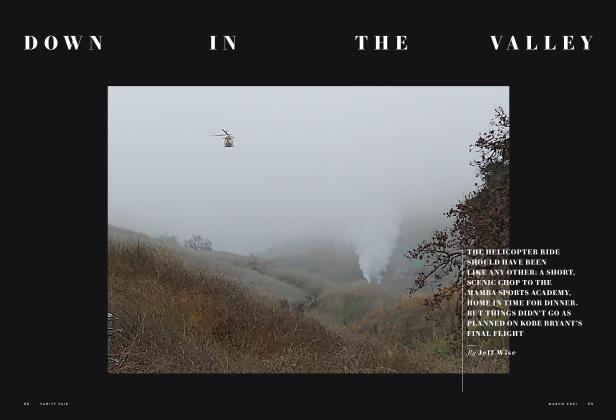
DOWN IN THE VALLEY
March
2021
By
Jeff Wise
Features
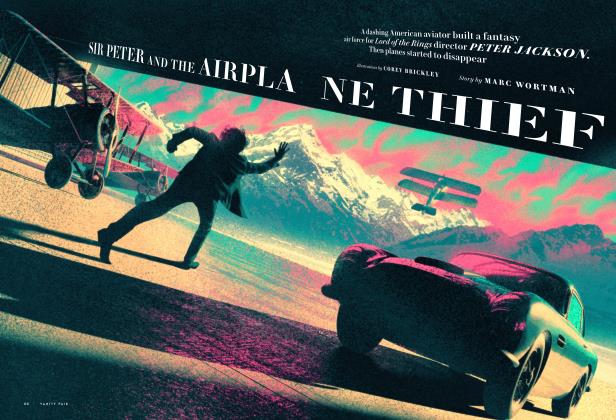
SIR PETER AND THE AIRPLANE THIEF
March
2021
By
MARC WORTMAN
Features
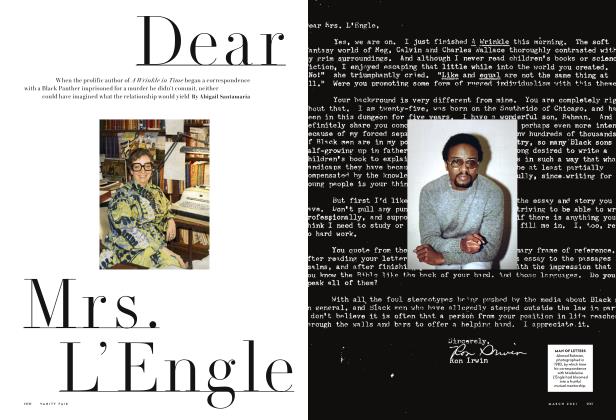
Dear Mrs. L’Engle
March
2021
By
Abigail Santamaria
Features
MAGA NON GRATA
March
2021
By
Emily Jane Fox
Features
Growing Up Ivanka
March
2021
By
Lysandra Ohrstrom
Join Today
Subscribers can unlock
every article
Vanity Fair
has ever published
Subscribe
More From This Issue
Features
CHARMING Billie
March
2021
By
KEZIAH WEIR
Features
DOWN IN THE VALLEY
March
2021
By
Jeff Wise
Features
SIR PETER AND THE AIRPLANE THIEF
March
2021
By
MARC WORTMAN
Vanities
Vanities
Night-table Reading
October 1993
Vanities
Behind the IMAGE
September 2020
Vanities
DREAMS FROM MY CANDIDACY
May 2010
By
Bruce Feirstein
Sign In to Your Account
Subscribers have complete access to the archive.
Sign In
Not a Subscriber?
Join Now
Access everything
Vanity Fair
has ever published.
Join Now
Subscriber-Only Benefit —
The Complete Vanity Fair Archive
•
EVERY ISSUE. EVERY PAGE. 1913 TO TODAY.