Skip to main content
Issues
Collections
Contributors
Vanity Fair Archive
VF.com
Sign In
Subscribe
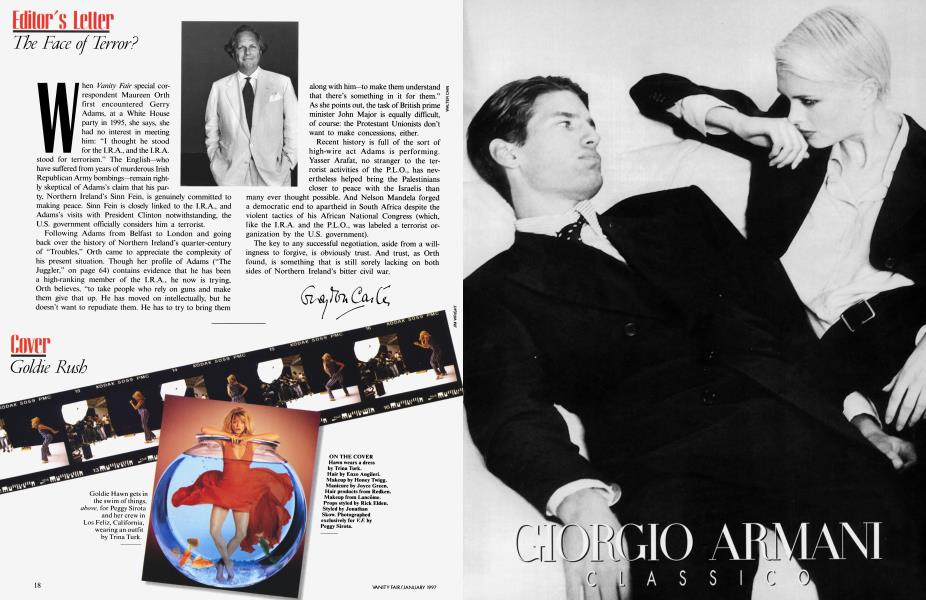
Editor's Letter
Editor's Letter
January 1997
Editor's Letter
January 1997
Subscribe
View Article Pages
Editor's Letter
Editor's Letter
January 1997
Subscribe to read this article
Already a subscriber?
Sign in
View Full Issue
More From This Issue
Features
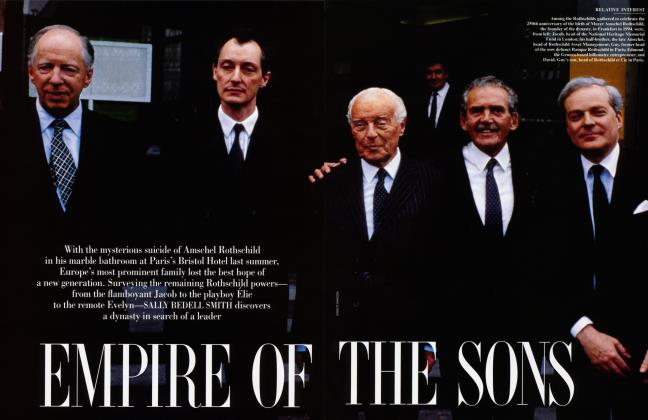
EMPIRE OF THE SONS
January
1997
By
Sally Bedell Smith
Features
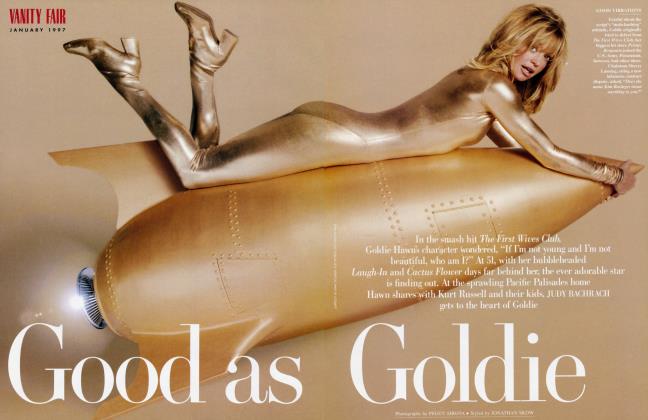
Good as Goldie
January
1997
By
Judy Bachrach
Features
THE JUGGLER
January
1997
By
Maureen Orth
Features
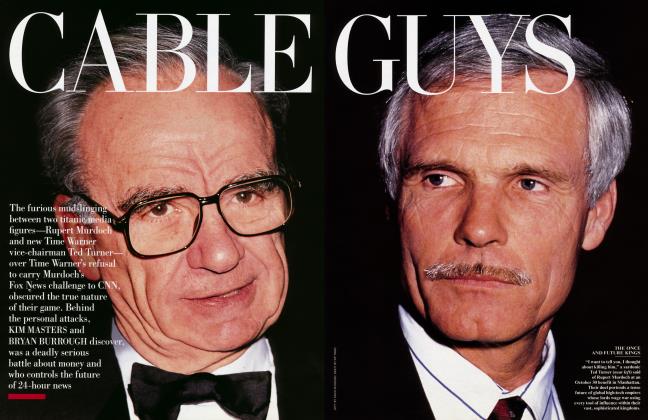
CABLE GUYS
January
1997
By
Kim Masters, Bryan Burrough
Columns
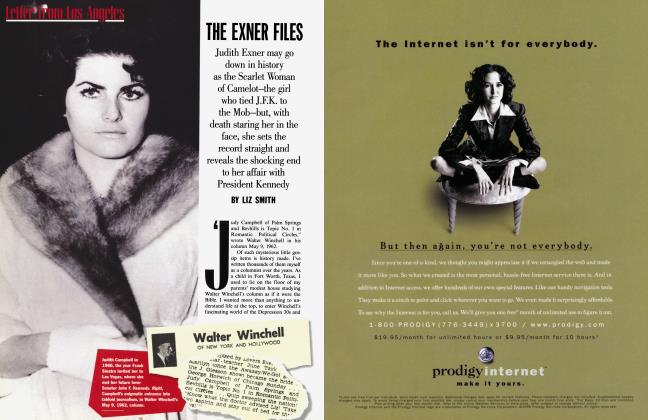
THE EXNER FILES
January
1997
By
Liz Smith
Features
VERSACE 10021
January
1997
By
Marie Brenner
Join Today
Subscribers can unlock
every article
Vanity Fair
has ever published
Subscribe
More From This Issue
Features
EMPIRE OF THE SONS
January
1997
By
Sally Bedell Smith
Features
Good as Goldie
January
1997
By
Judy Bachrach
Features
THE JUGGLER
January
1997
By
Maureen Orth
Editor's Letter
Editor's Letter
EDITOR'S LETTER
January 1986
Editor's Letter
Editor's Letter
March 1988
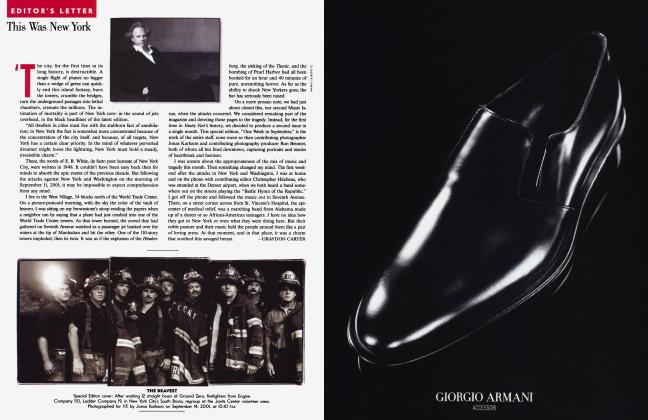
Editor's Letter
EDITOR'S LETTER
November 2001
By
Graydon Carter
Sign In to Your Account
Subscribers have complete access to the archive.
Sign In
Not a Subscriber?
Join Now
Access everything
Vanity Fair
has ever published.
Join Now
Subscriber-Only Benefit —
The Complete Vanity Fair Archive
•
EVERY ISSUE. EVERY PAGE. 1913 TO TODAY.