Skip to main content
Issues
Collections
Contributors
Vanity Fair Archive
VF.com
Sign In
Subscribe
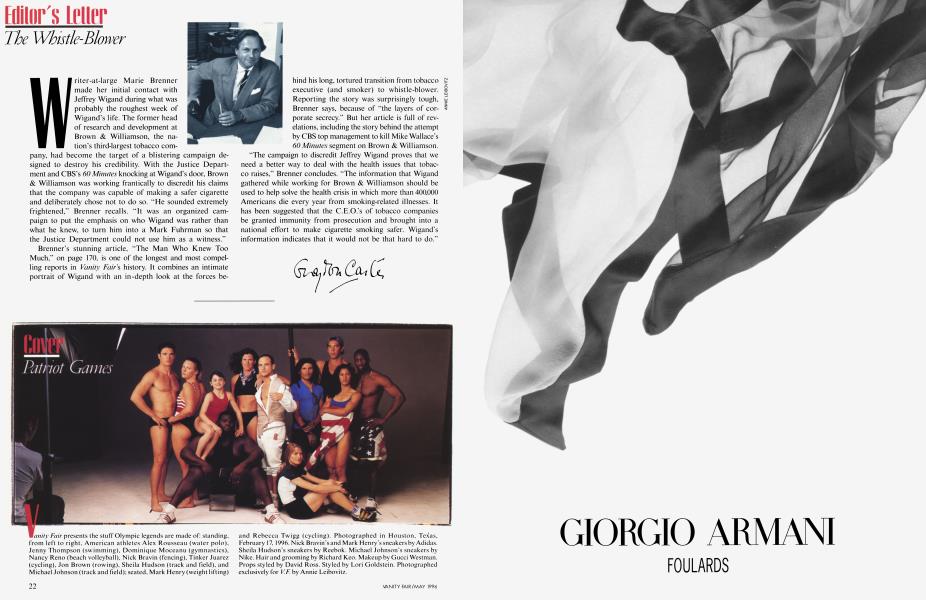
Editor's Letter
The Whistle-Blower
May 1996
The Whistle-Blower
May 1996
Subscribe
View Article Pages
Editor's Letter
The Whistle-Blower
May 1996
Subscribe to read this article
Already a subscriber?
Sign in
View Full Issue
More From This Issue
Features
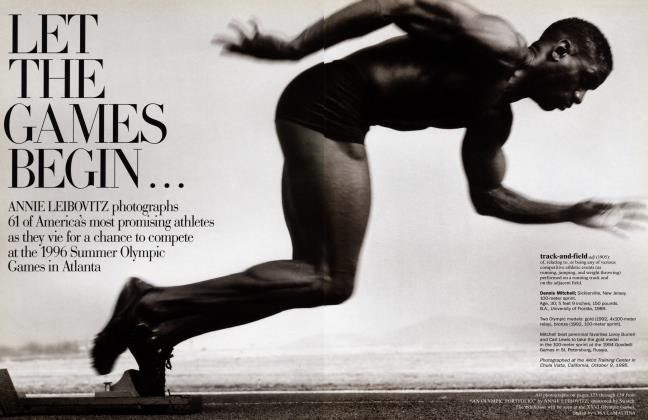
LET THE GAMES BEGIN...
May
1996
Features
THE MAN WHO KNEW TOO MUCH
May
1996
By
Marie Brenner
Features
A Mother's Tale
May
1996
By
Gloria Vanderbilt
Columns
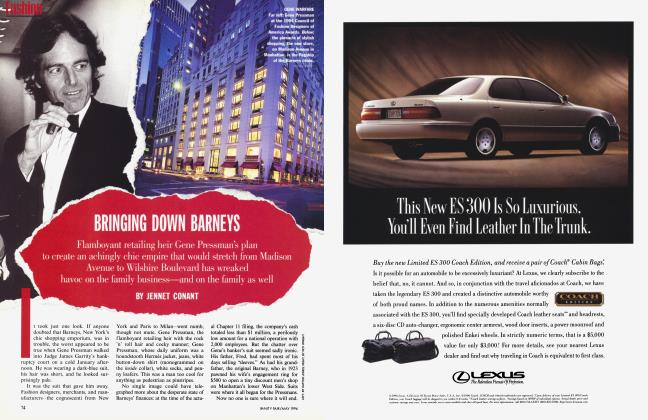
BRINGING DOWN BARNEYS
May
1996
By
Jennet Conant
Columns
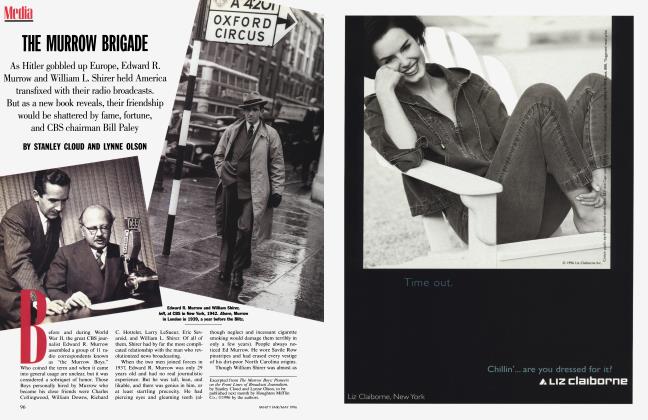
THE MURROW BRIGADE
May
1996
By
Stanley Cloud, Lynne Olson
Features
ANATOMY OF A CHAMPION
May
1996
By
David Halberstam
Join Today
Subscribers can unlock
every article
Vanity Fair
has ever published
Subscribe
More From This Issue
Features
LET THE GAMES BEGIN...
May
1996
Features
THE MAN WHO KNEW TOO MUCH
May
1996
By
Marie Brenner
Features
A Mother's Tale
May
1996
By
Gloria Vanderbilt
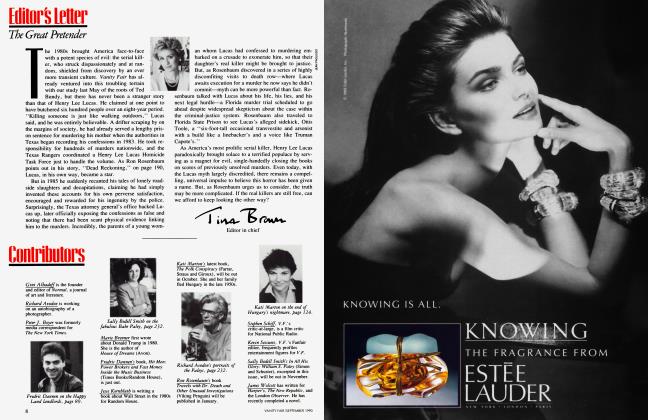
Editor's Letter
Editor's Letter
Editor's Letter
September 1990
Editor's Letter
EDWARD SNOWDEN and the SECURITY-INDUSTRIAL COMPLEX
May 2014
By
Gray Don Carter
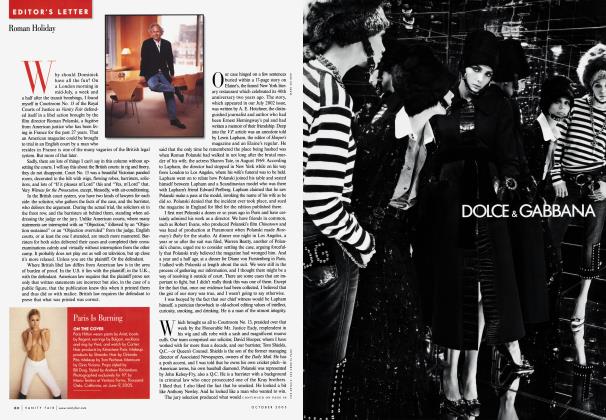
Editor's Letter
EDITOR'S LETTER
October 2005
By
Graydon Carter
Sign In to Your Account
Subscribers have complete access to the archive.
Sign In
Not a Subscriber?
Join Now
Access everything
Vanity Fair
has ever published.
Join Now
Subscriber-Only Benefit —
The Complete Vanity Fair Archive
•
EVERY ISSUE. EVERY PAGE. 1913 TO TODAY.